
What is Vocational Education? Your Career Launchpad
Vocational education provides hands-on training for specific trades and professions, leading directly to employment opportunities.
Explore Your OptionsKey Takeaways
- ✓ Focuses on practical, job-specific skills.
- ✓ Often shorter in duration than traditional four-year degrees.
- ✓ Leads to certifications, diplomas, or associate degrees.
- ✓ Prepares students for immediate entry into the workforce.
How It Works
Research various trades and industries that align with your interests and aptitudes. Consider fields with high demand and good earning potential.
Select an accredited vocational school or community college offering the specific program you need. Look into curriculum, faculty, and job placement rates.
Immerse yourself in practical training, often in labs, workshops, or real-world settings. This includes mastering tools, techniques, and industry standards.
Upon completion, utilize career services offered by your institution to find employment. Many programs include internships or apprenticeships for direct job entry.
Understanding the Core of Vocational Training
 Photo: ThisIsEngineering / Pexels
The Evolution and Benefits of Modern Vocational Education
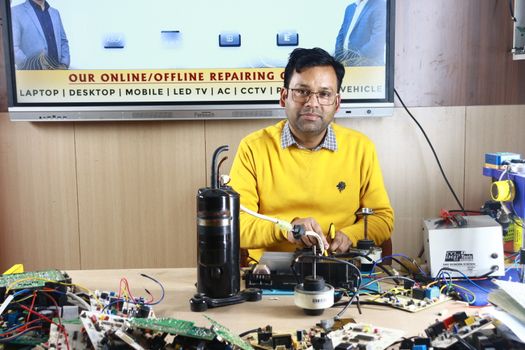 Photo: Multitech Institute / Pexels
Who Benefits Most from Vocational Education?
 Photo: Gustavo Fring / Pexels
Choosing the Right Vocational Program: Key Considerations
 Photo: Borys Zaitsev / Pexels
Comparison
| Feature | Vocational Education | 4-Year University Degree | Self-Taught/Online Courses |
|---|---|---|---|
| Focus | Job-specific skills, practical training | Broad theoretical knowledge, critical thinking | Specific skills, flexible learning |
| Duration | Months to 2 years | 4+ years | Highly variable, self-paced |
| Cost | Lower tuition, less debt | Higher tuition, significant debt | Low to moderate, often subscription-based |
| Employability | Direct entry to specific trades | Broader career paths, often requires experience | Requires self-marketing, portfolio building |
| Hands-on Experience | ✓ | ✗ (unless specific majors) | ✗ (unless self-arranged) |
| Accreditation/Recognition | Certifications, diplomas, associate degrees | Bachelor's, Master's, PhD | Varies widely, often unaccredited |
What Readers Say
"Understanding what is vocational education completely changed my career path. I went for HVAC tech training and landed a great job right after graduation. The hands-on experience was invaluable."
Sarah J. · Austin, TX"I was hesitant at first, but my auto mechanic program was fantastic. The instructors were industry pros, and the job placement assistance was top-notch. Highly recommend for practical learners."
Mark T. · Orlando, FL"After struggling with traditional college, I enrolled in a medical assistant program. Within 9 months, I had my certification and a job at a local clinic. It's a clear, efficient path to a career."
Jessica L. · Denver, CO"The cybersecurity bootcamp was intense but rewarding. While I wish there was a bit more post-program networking, the technical skills I gained were exactly what employers are looking for. It was a solid investment."
David R. · Seattle, WA"As a single parent, I needed a fast track to a stable career. My dental hygiene program provided exactly that. The flexible schedule and strong job prospects made it the perfect choice for me."
Emily C. · Phoenix, AZFrequently Asked Questions
Most searched question about what is vocational education?
Vocational education, also known as career and technical education (CTE), focuses on providing students with practical skills and knowledge directly applicable to specific jobs. It differs from traditional academic education by emphasizing hands-on training and direct preparation for the workforce, rather than broad theoretical studies.
Is vocational education only for people who don't go to college?
No, that's a common misconception. Vocational education is a valid and often preferred pathway for many, including those who may not thrive in traditional academic settings, individuals seeking faster entry into a specific career, or even college graduates looking to add specialized skills. It's about choosing the right educational path for your goals.
How do I choose the right vocational program for me?
To choose the right program, first identify your interests and career goals. Then, research accredited schools, compare program curricula, look into job placement rates, and consider the cost and financial aid options. Visiting campuses or speaking with alumni can also provide valuable insights.
What is the typical cost of vocational education?
The cost of vocational education varies widely depending on the program, duration, and institution. Generally, it is significantly less expensive than a four-year university degree. Many programs qualify for federal financial aid, scholarships, and grants, making them more accessible and affordable.
How does vocational education compare to a four-year degree in terms of job prospects?
Vocational education often leads to immediate employment in specific, in-demand trades and professions, sometimes with competitive starting salaries. While a four-year degree offers broader career flexibility, vocational training provides a direct pipeline to jobs requiring specialized skills, which are consistently in high demand in the current economy.
Who should consider vocational education?
Vocational education is ideal for hands-on learners, individuals seeking a direct path to a specific career, those looking for faster entry into the workforce, and people who want to minimize student debt. It's also excellent for career changers or those looking to upskill in a new field.
Are vocational schools accredited and recognized?
Reputable vocational schools are indeed accredited by recognized agencies, which ensures the quality of their programs and the validity of their credentials. It's crucial to verify the accreditation of any school you consider to ensure your certification or degree is widely accepted by employers.
What are the future trends in vocational education?
Future trends include increased integration of technology (e.g., AI, automation, virtual reality) into training, a greater focus on soft skills alongside technical skills, and closer partnerships between educational institutions and industries to meet evolving workforce demands. There's also a growing emphasis on micro-credentials and stackable certifications.
Now that you understand what is vocational education and its immense benefits, take the next step towards a rewarding career. Explore programs that align with your passions and secure your future with practical, in-demand skills. Your career launchpad awaits!