✓ Blended learning combines online digital media with traditional face-to-face classroom methods.
✓ It offers flexibility, allowing students to learn at their own pace and in their preferred style.
✓ Effective blended models require thoughtful integration of technology and pedagogical strategies.
✓ Personalization is a core benefit, catering to individual student needs and learning paths.
How It Works
1
Define Learning Objectives
Educators first identify key learning goals and outcomes for the course or unit. This ensures that both online and in-person components are strategically aligned to achieve these objectives.
2
Design Online Components
Digital resources, such as videos, interactive modules, simulations, and online discussions, are created or curated. These components often allow for self-paced learning and foundational knowledge acquisition.
3
Structure In-Person Sessions
Face-to-face time is optimized for collaborative activities, deeper discussions, problem-solving, and hands-on projects. This maximizes the value of direct interaction and instructor guidance.
4
Integrate & Assess
The online and offline elements are seamlessly woven together, with clear transitions and connections. Ongoing assessment strategies are implemented to monitor student progress and adapt instruction as needed.
Understanding the Foundations of Hybrid Learning
Photo: Max Fischer / Pexels
The concept of blended learning, often interchangeably referred to as hybrid learning, represents a significant evolution in educational pedagogy. At its core, it's an educational approach that strategically integrates traditional face-to-face classroom instruction with online learning experiences. This isn't merely about using technology in the classroom; it's about a deliberate design that leverages the unique strengths of both environments to create a more effective and engaging learning journey for students. The rise of digital tools and the increasing demand for flexible educational pathways have propelled blended learning into the forefront of modern educational discourse, especially in the wake of global shifts that have highlighted the importance of adaptable learning models. It's a dynamic framework that seeks to move beyond the limitations of purely online or purely traditional instruction, offering a compelling third way that aims for the best of both worlds.
Historically, education has largely been confined to the physical classroom, with the teacher as the primary dispenser of knowledge. The advent of the internet and digital technologies began to challenge this paradigm, introducing the possibility of learning beyond the classroom walls. Early forms of online learning, while offering unprecedented access, sometimes struggled with engagement and the lack of immediate, personal interaction. Conversely, traditional classrooms, while strong in fostering community and direct interaction, often face constraints in terms of individual pacing, access to diverse resources, and scalability. Blended learning emerges as a sophisticated response to these challenges, recognizing that different learning objectives and student needs are best served by different modalities. It's not a one-size-fits-all solution but rather a customizable framework that can be adapted to various subjects, age groups, and institutional contexts. The key is the intentionality behind the blend, ensuring that each component – online or offline – serves a specific, well-defined pedagogical purpose. This approach often leads to enhanced student autonomy, improved critical thinking skills, and a more personalized learning experience. Understanding this foundational integration is crucial for anyone looking to implement or participate in a blended learning environment. It’s about creating a rich educational ecosystem where technology amplifies human connection and learning effectiveness, rather than replacing it. This model is particularly relevant in today's fast-evolving educational landscape, where adaptability and resilience are paramount. For more insights into broader educational shifts, explore our resources on modern education trends.
Key Models and Approaches to Blended Learning
Photo: Max Fischer / Pexels
While the overarching definition of blended learning is clear, its implementation can take many forms, each with its own structure and pedagogical emphasis. Understanding these distinct models is crucial for educators and institutions seeking to adopt the most effective approach for their specific context. There isn't a single 'blended learning model' but rather a spectrum of designs, each offering a unique way to combine online and face-to-face instruction. The most common models include the Station Rotation, Lab Rotation, Flex, A La Carte, Enriched Virtual, and Flipped Classroom models.
The **Station Rotation Model** involves students rotating through various 'stations' within a physical classroom, with at least one station being an online learning activity. Other stations might include small-group instruction with the teacher, collaborative projects, or independent work. This model is particularly popular in elementary and middle schools, allowing teachers to differentiate instruction and provide targeted support. The **Lab Rotation Model** is similar but differs in that students rotate on a fixed schedule between a traditional classroom and a separate computer lab for online learning. This provides a dedicated space for digital work and can be efficient for resource management. The **Flex Model** is highly individualized, with most of the curriculum delivered online, but with the instructor available on-site for support, small-group instruction, or one-on-one tutoring as needed. This model offers significant flexibility and student agency, often seen in high schools or alternative education settings. The **A La Carte Model** allows students to take one or more courses entirely online, in addition to their traditional face-to-face courses. This is often used for specialized subjects or to accelerate learning. The **Enriched Virtual Model** involves courses that are primarily online, but with required face-to-face learning sessions or experiences. These sessions might be for lab work, seminars, or collaborative projects, providing a crucial human connection point. Finally, the **Flipped Classroom Model** is perhaps one of the most widely recognized. In this model, traditional classroom lectures are moved online (e.g., via video lectures or readings) for students to review at home. Class time is then dedicated to interactive activities, discussions, and problem-solving, where students apply the knowledge they gained independently. Each of these models offers distinct advantages and can be tailored to various learning environments and educational goals, emphasizing the versatility inherent in the blended learning approach. Choosing the right model depends on factors such as student demographics, available resources, and desired learning outcomes.
Benefits and Challenges of Adopting a Blended Learning Model
The adoption of a blended learning model brings with it a host of significant benefits, making it an increasingly attractive option for educational institutions across the United States. One of the primary advantages is **increased flexibility and personalization**. Students can often access online materials at their own pace and time, allowing them to revisit complex topics or move ahead if they've mastered a concept. This caters to diverse learning styles and speeds, a challenge traditional classrooms often struggle with. Furthermore, the ability to integrate a variety of digital resources, such as interactive simulations, multimedia content, and real-world case studies, can significantly **enhance engagement and motivation**. Learning becomes more dynamic and less passive, fostering deeper understanding and critical thinking skills. Blended learning also prepares students for the digital world, equipping them with essential **digital literacy skills** that are crucial for future academic and professional success. It promotes self-direction and responsibility, as students learn to manage their time and navigate online learning environments effectively. For educators, it can free up valuable in-person class time for more personalized attention, collaborative projects, and addressing individual student needs, shifting the teacher's role from a lecturer to a facilitator of learning. This can lead to a more impactful and meaningful use of face-to-face interaction.
However, implementing a blended learning model is not without its challenges. One significant hurdle is the **initial investment in technology and infrastructure**. Schools need reliable internet access, appropriate devices, and robust learning management systems (LMS) to support online components. **Teacher training and professional development** are also paramount; educators need to be proficient in using new technologies and skilled in designing effective blended curricula. Without adequate training, the potential benefits can be undermined. Another challenge lies in ensuring **equitable access** for all students, particularly those from socio-economically disadvantaged backgrounds who may lack home internet access or suitable devices. This 'digital divide' needs to be actively addressed to prevent exacerbating existing inequalities. **Student self-discipline and motivation** can also be an issue, as the increased autonomy in blended learning requires students to be proactive and organized. Some students may struggle with the self-directed nature of online work, requiring additional support and scaffolding from instructors. Finally, the **design of effective blended curricula** is complex. It's not simply about porting traditional content online; it requires thoughtful integration and careful consideration of how online and offline elements complement each other to achieve learning objectives. Poorly designed blended courses can lead to fragmented learning experiences. Addressing these challenges through strategic planning, investment, and ongoing support is crucial for realizing the full potential of a blended learning model. For more on overcoming educational barriers, consider exploring topics like inclusive education strategies.
Best Practices for Implementing a Successful Blended Learning Model
Successfully implementing a blended learning model requires more than just combining online and offline activities; it demands thoughtful planning, strategic execution, and continuous evaluation. Here are some best practices to guide institutions and educators in creating effective blended learning environments:
* **Clear Learning Objectives:** Begin by defining clear and measurable learning objectives for each course or unit. These objectives should dictate whether content is best delivered online, in person, or through a combination. This ensures that every component serves a specific pedagogical purpose.
* **Intentional Design and Integration:** Don't simply digitize existing materials. Design the online and offline components to complement each other, creating a cohesive learning experience. For instance, online modules can deliver foundational knowledge, while in-person sessions focus on application, critical thinking, and collaborative problem-solving. Ensure smooth transitions between modalities.
* **Robust Technology Infrastructure:** Invest in reliable technology, including a user-friendly Learning Management System (LMS), stable internet connectivity, and appropriate devices. Provide technical support for both students and instructors to minimize disruptions and frustration.
* **Comprehensive Teacher Training:** Equip educators with the necessary skills to design, deliver, and assess blended courses effectively. Training should cover not only technical proficiency but also pedagogical strategies specific to blended learning, such as facilitating online discussions, providing effective feedback in a hybrid setting, and managing diverse learning paces.
* **Foster Student Self-Regulation and Engagement:** Provide explicit instructions and expectations for online work. Offer resources and strategies to help students develop time management and self-discipline skills. Use interactive and engaging online tools to maintain student interest and motivation. Encourage active participation in both online forums and in-person discussions.
* **Regular Communication and Feedback:** Maintain open lines of communication with students. Provide timely and constructive feedback on both online and offline assignments. Use analytics from online platforms to monitor student progress and identify areas where additional support might be needed.
* **Promote Collaboration and Community:** Design activities that encourage interaction among students, both virtually and in person. Group projects, online discussion boards, and peer reviews can build a sense of community and foster collaborative learning.
* **Continuous Evaluation and Iteration:** Blended learning is not a static model. Regularly collect feedback from students and instructors, analyze learning outcomes, and be prepared to make adjustments. Use data to refine course design, technological tools, and instructional strategies. This iterative process ensures the model remains effective and responsive to evolving needs.
By adhering to these best practices, educational institutions can harness the full potential of blended learning, creating flexible, engaging, and highly effective learning environments that prepare students for success in a rapidly changing world.
Comparison
Feature
Blended Learning
Traditional Classroom
Fully Online Learning
Flexibility
High (mix of self-paced & structured)
Low (fixed schedule, location)
Very High (self-paced, remote)
Personalization
High (adaptive tech, teacher support)
Medium (teacher-dependent)
Medium to High (adaptive tech, limited direct support)
Social Interaction
Medium to High (structured in-person, online forums)
High (direct, immediate)
Low to Medium (primarily virtual)
Technology Reliance
High
Low
Very High
Cost Efficiency
Medium (tech investment, potential space savings)
Medium (physical infrastructure)
High (reduced physical footprint)
Teacher Role
Facilitator, Guide
Instructor, Lecturer
Facilitator, Content Curator
What Our Readers Say
5★★★★★
"The blended learning model transformed my college experience. I could review lectures online at my own pace, then use class time for deep dives and group projects. It made complex subjects much more manageable."
Sarah J.Austin, TX
5★★★★★
"As a high school teacher, implementing a blended approach has significantly boosted student engagement. They love the interactive online modules, and our in-person discussions are now far more dynamic and informed."
Mark D.Seattle, WA
5★★★★★
"My son, who struggles with traditional lecture formats, thrived in his blended learning environment. He achieved his best grades yet, thanks to the flexibility and personalized attention he received."
Emily R.Chicago, IL
4★★★★☆
"While the blended learning model offers great flexibility, it does require a strong internet connection and self-discipline. Overall, the benefits of personalized learning and varied resources outweigh these minor challenges."
David L.Miami, FL
5★★★★★
"Our corporate training program adopted a blended learning model, and the results were incredible. Employees could complete foundational modules online, freeing up in-person sessions for hands-on application and team-building exercises, leading to higher retention rates."
Jessica M.Denver, CO
Frequently Asked Questions
What is the primary difference between blended learning and online learning?
Blended learning intentionally combines online digital instruction with traditional face-to-face classroom methods, leveraging the strengths of both. Fully online learning, conversely, delivers all educational content and interaction exclusively through digital platforms, with no required physical presence. The key distinction lies in the integration of in-person components in blended models.
Is blended learning suitable for all age groups?
Yes, blended learning can be adapted for nearly all age groups, from K-12 to higher education and professional development. The specific model and technology used will vary significantly based on the age and developmental stage of the learners, with younger students often benefiting from more structured in-person components and older students having greater autonomy in online settings.
How do educators assess students in a blended learning environment?
Assessment in blended learning is multifaceted. It can include traditional in-person exams, quizzes, and projects, alongside online assessments like interactive simulations, discussion forum participation, digital portfolios, and adaptive quizzes. The blend allows for a more comprehensive and continuous evaluation of student understanding and application of knowledge.
What are the typical technology requirements for blended learning?
Typical technology requirements include reliable internet access, personal computing devices (laptops, tablets), a robust Learning Management System (LMS) like Canvas or Moodle, and various digital tools for content creation, collaboration, and assessment (e.g., video conferencing software, interactive whiteboards, educational apps). The specific needs depend on the model and curriculum.
How does blended learning compare to hybrid learning?
The terms 'blended learning' and 'hybrid learning' are often used interchangeably to describe an educational approach that combines online and face-to-face instruction. While some may draw subtle distinctions based on the proportion or specific integration of modalities, for most practical purposes, they refer to the same core concept of combining in-person and digital learning experiences.
Who benefits most from a blended learning model?
Students who benefit most from a blended learning model often include those who thrive with flexibility, require personalized pacing, or engage well with diverse learning modalities. It's also highly beneficial for students needing to develop digital literacy skills and self-directed learning habits, and for educators seeking to differentiate instruction and optimize classroom time for deeper engagement.
What are the potential pitfalls of poorly implemented blended learning?
Poorly implemented blended learning can lead to fragmented learning experiences, increased workload for teachers and students, technological frustrations, and a lack of coherence between online and offline components. It can also exacerbate the digital divide if equitable access to technology and support is not ensured, ultimately hindering learning outcomes rather than enhancing them.
What is the future outlook for blended learning in education?
The future outlook for blended learning is very positive. Its flexibility, potential for personalization, and ability to leverage technology make it an increasingly vital model in education. As technology continues to evolve and educational demands shift, blended learning is expected to become a standard, highly sophisticated, and integrated approach across all levels of learning, fostering more resilient and adaptive educational systems.
Embrace the future of education by understanding and implementing what is blended learning model. This adaptable approach offers unparalleled opportunities for personalized, engaging, and effective learning experiences, preparing students for success in a dynamic world.

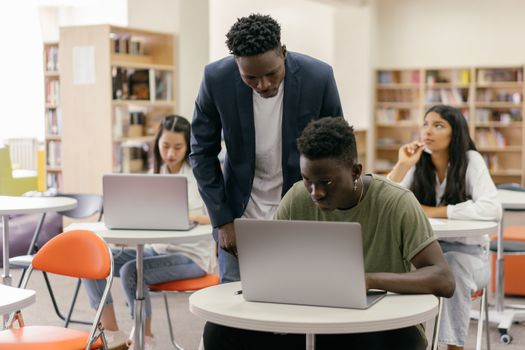 Photo: Mikhail Nilov / Pexels
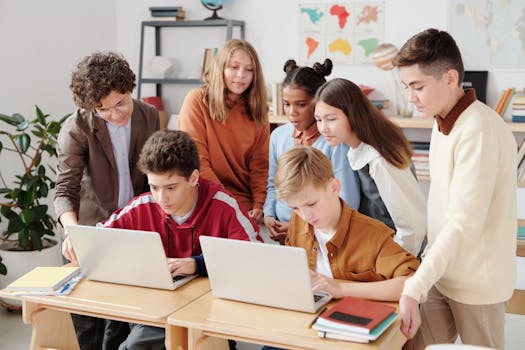 Photo: Max Fischer / Pexels
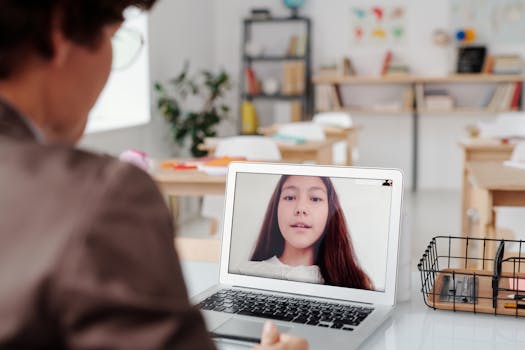 Photo: Max Fischer / Pexels