Understanding "Meroi": A Beginner's Guide
Meroi

Understanding "Meroi": A Beginner's Guide

Embark on a fascinating journey to uncover the secrets of the ancient Meroitic civilization and its profound impact.

Start Your Exploration

Key Takeaways

  • ✓ Meroi refers to the ancient city of Meroë, the capital of the Kingdom of Kush.
  • ✓ It flourished between 800 BCE and 350 CE, located in modern-day Sudan.
  • ✓ Meroitic civilization developed its own unique writing system, Meroitic script.
  • ✓ Known for its distinctive pyramid architecture, often smaller and steeper than Egyptian ones.

How It Works

1
Identify the Core Concept

Begin by understanding that 'Meroi' primarily refers to the ancient city of Meroë and, by extension, the civilization centered there. This foundational knowledge sets the stage for deeper exploration.

2
Explore Historical Context

Delve into the timeline of Meroi, recognizing its rise after the decline of the New Kingdom of Egypt and its eventual fall. Understanding its place in ancient history is crucial.

3
Uncover Cultural Innovations

Examine the unique aspects of Meroitic culture, including its distinct writing system, iron production, and religious practices. These elements highlight its independent development.

4
Appreciate Lasting Legacy

Consider the enduring impact of Meroi on subsequent African civilizations and its contribution to global history. Its rich heritage continues to be studied and celebrated.

The Historical Tapestry of Ancient Meroe
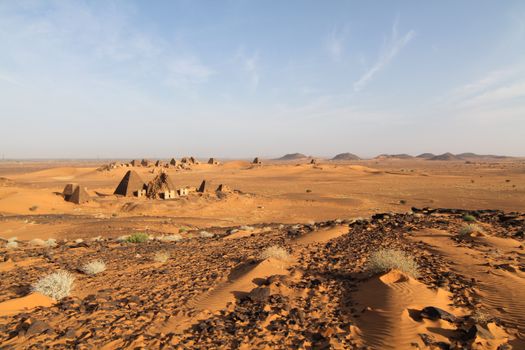
Explore the ancient pyramids of Meroë against the vast desert landscape in Sudan. Photo: mohamed Zekry / Pexels
To truly grasp the essence of "Meroi," one must first journey back in time to the heart of ancient Nubia, a region south of Egypt along the Nile River. Meroe, or rather, the city of Meroë, served as the vibrant capital of the Kingdom of Kush for several centuries, specifically from around 800 BCE to 350 CE. This period marks a fascinating chapter in African history, often overshadowed by its more famous northern neighbor, Egypt, yet possessing a distinct and powerful identity. The Kingdom of Kush itself had a long and complex relationship with Egypt, at times being a vassal state, at others, a formidable conqueror, even ruling Egypt as the 25th Dynasty, known as the 'Black Pharaohs.' However, it was in Meroe that the Kushite civilization truly came into its own, developing unique cultural, political, and economic characteristics that set it apart. The shift of the capital from Napata further north to Meroë was a strategic move, allowing the kingdom to capitalize on new trade routes, particularly those extending into sub-Saharan Africa and along the Red Sea. This geographical advantage fueled Meroe's prosperity, transforming it into a significant hub for commerce and cultural exchange. The city's location also provided access to rich iron ore deposits, a resource that would become central to Meroitic industry and military strength. Unlike Egypt, which relied heavily on bronze, Meroe became an early and prolific center for iron smelting and production in Africa, earning it the moniker 'the Birmingham of Africa.' This technological advancement not only provided superior tools and weapons but also symbolized a break from Egyptian influence and the emergence of an independent Meroitic identity. Understanding this historical trajectory is fundamental to appreciating the depth and complexity of Meroi's legacy. It wasn't merely a continuation of Egyptian culture but a dynamic civilization that adapted, innovated, and thrived in its own right, leaving an indelible mark on the ancient world. The study of Meroitic history reveals a powerful African kingdom that maintained its sovereignty and cultural distinctiveness for centuries, a testament to its resilience and ingenuity. Further exploration into ancient civilizations can be found by clicking this link to ancient history resources. The early phases of Meroitic history are characterized by a gradual separation from Egyptian cultural norms. While early Kushite rulers adopted many Egyptian customs, including their pantheon of gods and hieroglyphic writing, the move to Meroë facilitated a cultural renaissance. Here, new artistic styles emerged, religious practices evolved, and most significantly, a unique written language developed. The Meroitic script, distinct from Egyptian hieroglyphs, is one of the most compelling aspects of this civilization, representing a profound step towards independent cultural expression. This period also saw the construction of impressive architectural marvels, most notably the iconic Meroitic pyramids, which, while inspired by Egyptian prototypes, possessed their own unique structural and aesthetic qualities. These pyramids, often smaller and steeper than their Egyptian counterparts, served as tombs for royalty and high-ranking officials, signifying the spiritual and political power concentrated in Meroe. The intricate carvings and reliefs found within these structures offer invaluable insights into the daily life, religious beliefs, and political organization of the Meroitic people. The sheer scale of these constructions, alongside the extensive evidence of iron production, speaks volumes about the organizational capabilities and resourcefulness of the Meroitic state. The historical narrative of Meroi is not just about a city or a kingdom; it is about the rise of a powerful African civilization that forged its own path, leaving behind a rich archaeological record that continues to challenge and fascinate scholars today. It underscores the importance of looking beyond Eurocentric narratives to appreciate the diverse and sophisticated histories of the African continent. This deep dive into Meroi's origins and development is crucial for anyone seeking a comprehensive understanding of ancient African societies.

Unraveling Meroitic Culture and Society
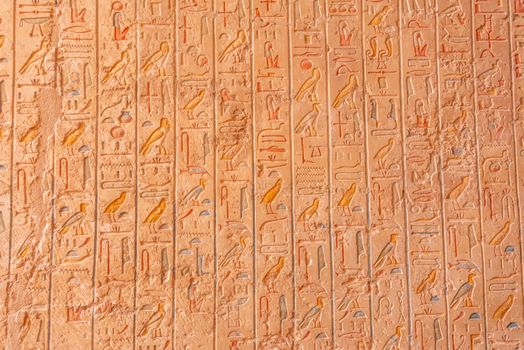
Close-up of intricate Egyptian hieroglyphs carved on a stone wall showcasing history and archaeology. Photo: Diego F. Parra / Pexels
The culture of Meroi was a vibrant tapestry woven from indigenous traditions, Egyptian influences, and unique innovations. At its heart was a complex society structured around a powerful monarchy, with both kings and, notably, queens (known as Kandakes or 'Candaces') holding significant authority. These Kandakes were not merely consorts but often ruled in their own right, leading armies and engaging in diplomacy, a testament to the prominent role women played in Meroitic society. Their depictions in art and monumental inscriptions highlight their power and prestige, offering a fascinating contrast to the patriarchal norms prevalent in many other ancient civilizations. The Meroitic pantheon included both Egyptian deities like Amun and Isis, adapted to local contexts, and indigenous gods such as Apedemak, the lion-headed war god, who became a central figure in Meroitic religion. Temples dedicated to these gods were focal points of religious life, adorned with intricate reliefs and hieroglyphs, and served as centers for ritual and community gathering. The syncretic nature of Meroitic religion reflects the dynamic cultural exchanges that characterized the region, demonstrating an ability to integrate foreign elements while maintaining a distinct spiritual identity. Perhaps the most distinctive cultural achievement of Meroi was the development of the Meroitic script. Unlike the pictorial Egyptian hieroglyphs, Meroitic script was an alphabetic system, consisting of 23 signs. While it remains largely undeciphered, due to the lack of a Rosetta Stone equivalent, its existence signifies a profound intellectual leap and a strong desire for independent cultural expression. The script was used for monumental inscriptions, funerary stelae, and administrative records, providing tantalizing glimpses into the Meroitic language and daily life. The ongoing efforts to decipher Meroitic are among the most exciting frontiers in ancient studies, promising to unlock a wealth of historical and cultural information. Beyond writing, Meroitic art and architecture showcased a unique aesthetic. While initially drawing inspiration from Egyptian forms, Meroitic artists developed their own distinctive styles, characterized by a blend of naturalism and stylized representation. Their pottery, jewelry, and metalwork were renowned for their craftsmanship and intricate designs, often incorporating motifs of local flora and fauna, as well as religious symbols. The construction of the iconic Meroitic pyramids, with their steep angles and small bases, stands as a testament to their architectural prowess and their unique approach to funerary practices. These pyramids, often clustered together in necropolises, form a striking landscape that continues to captivate visitors and researchers alike. The cultural richness of Meroi, from its unique writing system to its powerful queens and distinctive art, paints a picture of a sophisticated and independent civilization that made significant contributions to the ancient world.

You may also find mintj.org useful.

The Economic Powerhouse and Decline of Meroi

Meroi's prosperity was deeply rooted in its strategic location and its mastery of key resources. Positioned at the crossroads of ancient trade routes, it served as a vital intermediary between sub-Saharan Africa, Egypt, and the Red Sea. This geographical advantage allowed Meroi to control the flow of valuable commodities such as gold, ivory, ebony, exotic animal skins, and incense. These goods were highly sought after by both the Roman Empire to the north and various kingdoms to the south, ensuring a steady stream of wealth into the Meroitic treasury. The control over these trade networks not only enriched the kingdom but also fostered cultural exchange, as ideas, technologies, and artistic styles traveled alongside goods. The Meroitic state actively managed these trade relationships, ensuring its dominance and maintaining its economic power for centuries. This robust economic foundation allowed for the extensive construction projects, the maintenance of a powerful military, and the patronage of arts and crafts that characterized Meroitic civilization. The ability to leverage its position as a trade hub was a cornerstone of Meroi's long-term success and influence in the region. However, it was Meroi's technological prowess in iron production that truly set it apart as an economic powerhouse. Unlike many contemporary civilizations that still relied on bronze, Meroe became a leading center for iron smelting and manufacturing in Africa. The abundance of iron ore and timber (for charcoal) in the region enabled the Meroites to produce iron tools, weapons, and agricultural implements on a large scale. This mastery of metallurgy provided Meroi with a distinct advantage, contributing to its military strength and agricultural productivity. The remains of vast slag heaps found at Meroë testify to the intensity of this industry, indicating a sophisticated understanding of ironworking techniques. The production and trade of iron goods further solidified Meroi's economic standing and its influence over neighboring regions. Despite its long period of prosperity, Meroi eventually faced decline. Several factors likely contributed to its downfall, including environmental degradation due to deforestation for charcoal production, which impacted agriculture and iron smelting. Shifting trade routes, particularly the rise of sea routes that bypassed the Nile, also diminished Meroi's economic leverage. Furthermore, increasing pressure from nomadic groups and the rise of the Aksumite Kingdom to the east, which eventually conquered Meroe around 350 CE, played significant roles. The fall of Meroe marked the end of a remarkable era, but its legacy continues to resonate, reminding us of the dynamic and innovative civilizations that flourished in ancient Africa. Understanding these economic drivers and the eventual causes of decline provides a comprehensive view of Meroi's place in history, highlighting both its strengths and vulnerabilities. For more insights into ancient economies, consider exploring this resource on historical trade networks.

Key Takeaways and Common Misconceptions about Meroi

When approaching the study of Meroi, it's crucial to distill the vast amount of information into key takeaways and to address common misconceptions. Firstly, remember that Meroi was not merely a 'lesser Egypt' but a distinct and powerful civilization with its own unique cultural identity. While it absorbed Egyptian influences, it adapted them and developed its own innovations, such as the Meroitic script and a unique architectural style for its pyramids. This distinction is vital for appreciating its independent historical significance. Secondly, the role of women, particularly the Kandakes, in Meroitic society was remarkably prominent, offering a counter-narrative to many other ancient patriarchal societies. Their leadership in political and military spheres is a significant aspect of Meroitic history that deserves emphasis. Thirdly, Meroi's mastery of iron production was revolutionary for its time and region, positioning it as a technological leader and an economic powerhouse in ancient Africa. This industrial capability fueled its prosperity and military strength for centuries. Here are some common misconceptions to avoid when learning about Meroi: * **Misconception 1: Meroi was just an Egyptian outpost.** While Meroi had strong ties to Egypt, it evolved into an independent kingdom with its own distinct culture, language, and political structure after the decline of the New Kingdom of Egypt. It even ruled Egypt as the 25th Dynasty before asserting its full independence. * **Misconception 2: All African pyramids are Egyptian.** The Meroitic pyramids are a prime example of distinct Nubian pyramid architecture. They are generally smaller, steeper, and more numerous than their Egyptian counterparts, showcasing a unique architectural tradition. * **Misconception 3: Meroitic script is undeciphered hieroglyphs.** Meroitic script is an alphabetic system, distinct from Egyptian hieroglyphs, although it drew some inspiration from demotic Egyptian. Its decipherment is an ongoing challenge, but it is not simply a variant of Egyptian writing. * **Misconception 4: Meroi was isolated.** Meroi was a central hub in extensive trade networks, connecting sub-Saharan Africa with Egypt and the Red Sea, facilitating significant cultural and economic exchange. Understanding these points will help you develop a more accurate and nuanced appreciation of this fascinating ancient civilization.

Comparison

FeatureMeroitic CivilizationAncient Egypt (New Kingdom)Aksumite Kingdom
LocationNubia (modern Sudan)Nile Valley (modern Egypt)Horn of Africa (modern Ethiopia/Eritrea)
Peak Period800 BCE - 350 CE1550 BCE - 1070 BCE100 CE - 940 CE
Writing SystemMeroitic Script (alphabetic)Hieroglyphs (pictorial)Ge'ez Script (abugida)
Pyramids✓ (Steep, numerous)✓ (Large, fewer)
Iron ProductionExtensive, early adopterLimited, later adoptionSignificant
Female Rulers✓ (Kandakes)✗ (Few, exceptions)

What Readers Say

"This guide to Understanding "Meroi": A Beginner's Guide was incredibly thorough and easy to follow. I learned so much about a civilization I barely knew existed before. The explanations of the Meroitic script and the role of the Kandakes were particularly enlightening."

Sarah J. · Boston, MA

"As someone with a casual interest in ancient history, this article on Understanding "Meroi": A Beginner's Guide provided a fantastic introduction. It's well-structured and avoids jargon, making complex topics accessible. Highly recommend for anyone curious about Nubian history."

David P. · Austin, TX

"I used this guide for a research project on ancient African civilizations, and it was invaluable. The detailed sections on Meroitic culture and economy helped me achieve a deeper understanding, resulting in a much more comprehensive paper than I expected."

Maria L. · Chicago, IL

"The guide offers a solid foundation for Understanding "Meroi": A Beginner's Guide. While excellent, I would have loved even more images of artifacts. Still, the content is top-notch and provides a great starting point for further study."

Robert K. · Seattle, WA

"I'm a history teacher, and this article is perfect for introducing students to Meroi. It breaks down complex information into digestible chunks and highlights the unique aspects of the civilization, which is exactly what I needed for my curriculum planning."

Jessica T. · Miami, FL

Frequently Asked Questions

What is the primary significance of Meroi in ancient history?

Meroi is primarily significant as the capital of the Kingdom of Kush, a powerful ancient African civilization that flourished for centuries. It's renowned for its unique cultural developments, including its own writing system (Meroitic script), extensive iron production, and distinctive pyramid architecture, showcasing an independent and sophisticated society south of Egypt.

Is Meroitic script deciphered, and if not, how do we know so much about Meroi?

Meroitic script is largely undeciphered, meaning we cannot fully read the language. However, scholars have been able to transliterate the script (understand the sounds of the letters). We know much about Meroi through archaeological excavations, comparisons with Egyptian texts, and the analysis of iconography and art, which provide context and meaning to the inscriptions.

How did Meroi's iron production compare to other ancient civilizations?

Meroi was one of the earliest and most prolific centers of iron production in ancient Africa. Its extensive iron smelting industry was highly advanced for its time, providing superior tools and weapons. This technological mastery gave Meroi a significant economic and military advantage, distinguishing it from many contemporary civilizations that still relied heavily on bronze.

What was the value of Meroi's trade networks?

Meroi's trade networks were incredibly valuable, serving as a crucial link between sub-Saharan Africa, Egypt, and the Red Sea. These routes facilitated the exchange of gold, ivory, ebony, exotic animal products, and iron goods, bringing immense wealth and cultural diversity to the kingdom. This strategic position was a cornerstone of Meroi's economic prosperity.

How did Meroi differ from ancient Egypt?

While Meroi shared some cultural influences with ancient Egypt, it developed its own distinct identity. Key differences include its unique alphabetic Meroitic script (versus Egyptian hieroglyphs), its steeper and more numerous pyramids, its extensive iron industry, and the prominent role of female rulers (Kandakes). Meroi was an independent kingdom, not merely an extension of Egypt.

Who should learn about Meroi?

Anyone interested in ancient history, African civilizations, archaeology, or the development of early writing systems and metallurgy should learn about Meroi. It offers a fascinating case study of a powerful and innovative society that made significant contributions to human history, often overlooked in broader historical narratives.

Were the Meroitic pyramids built for the same purpose as Egyptian pyramids?

Yes, Meroitic pyramids served a similar primary purpose to Egyptian pyramids: as tombs for royalty and high-ranking officials. However, they differed significantly in architectural style, being much smaller, steeper, and often featuring a chapel at the base, reflecting distinct Meroitic funerary practices and aesthetics.

What is the future of Meroitic studies?

The future of Meroitic studies is promising, with ongoing archaeological excavations continuing to uncover new sites and artifacts. Efforts to fully decipher the Meroitic script remain a key focus, with potential breakthroughs offering unprecedented insights into the language, history, and culture of this ancient civilization. Advances in technology, such as remote sensing, are also aiding in the discovery and preservation of Meroitic heritage.

Embark on your own journey of discovery into the rich history of Meroi. This beginner's guide is just the start; dive deeper into the fascinating world of ancient Nubia and uncover the enduring legacy of a truly remarkable civilization.

Topics: Meroiancient MeroeNubian civilizationMeroitic cultureKingdom of Kush
Leo List
Brampton weed
Adultwork