Essential Tips for First-Time Visitors to Montreal?
first-time Montreal visitor tips

Essential Tips for First-Time Visitors to Montreal?

Navigate Montreal like a seasoned traveler with our expert advice, ensuring a smooth and enriching first visit to this vibrant city.

Plan Your Trip Now

Key Takeaways

  • ✓ Montreal is the largest city in Quebec, Canada, and predominantly French-speaking.
  • ✓ The currency is the Canadian Dollar (CAD), and tipping is customary (15-20%).
  • ✓ Public transportation is excellent, with a clean and efficient metro system.
  • ✓ Montreal experiences four distinct seasons, each offering unique attractions.

How It Works

1
Research Your Interests

Before arriving, identify what you want to see and do. Montreal offers diverse attractions, from historic sites to modern art, so tailor your itinerary to your preferences.

2
Understand Local Customs

Familiarize yourself with basic French phrases and local etiquette. A little effort goes a long way in enhancing your experience and showing respect for the local culture.

3
Plan Transportation

Decide how you'll get around the city. The metro is highly recommended, but walking and BIXI bikes are great options for exploring specific neighborhoods.

4
Embrace the Culinary Scene

Montreal is a food lover's paradise. Be open to trying local specialties like poutine, bagels, and smoked meat, and explore the city's diverse restaurant offerings.

Navigating the Cultural Mosaic: Language and Etiquette
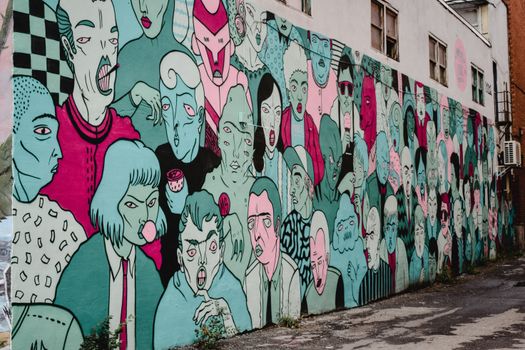
Colorful street art mural showcasing diverse faces in a Montreal alleyway. Photo: Eva Bronzini / Pexels
For first-time visitors to Montreal, understanding the city's unique cultural landscape is paramount to a fulfilling experience. Montreal is a vibrant blend of North American dynamism and European charm, largely defined by its bilingual nature. While English is widely spoken, especially in tourist areas, making an effort to use a few French phrases can significantly enhance your interactions and demonstrate respect for the local culture. Simple greetings like 'Bonjour' (good day) and 'Merci' (thank you) are always appreciated. Don't be intimidated by the language barrier; most Montrealers are proud of their city and happy to assist visitors, often switching seamlessly between English and French. However, a polite 'Parlez-vous anglais?' (Do you speak English?) can open doors and facilitate communication. Beyond language, observing local etiquette is key. Montrealers tend to be more reserved than some American counterparts, valuing politeness and a slightly slower pace of life. When dining, for instance, don't expect hurried service; meals are often savored. Tipping is customary, typically 15-20% for good service in restaurants and for taxi drivers. Understanding these nuances will not only make your visit smoother but also allow you to immerse yourself more deeply in the city's authentic rhythm. Remember, Montreal is not just a city in Canada; it's a distinct cultural entity with a proud Québécois identity. Engaging with this identity, even through small gestures, enriches your journey beyond mere sightseeing. Consider exploring local markets like Jean-Talon Market or Atwater Market, where you can practice your French and observe daily life. This cultural immersion is a significant part of what makes Montreal so appealing to visitors from the US, offering a taste of Europe without crossing an ocean. For a deeper dive into Canadian culture, consider resources like Understanding Canadian Social Norms. This foundation in cultural awareness sets the stage for enjoying everything else Montreal has to offer, from its historic streets to its contemporary art scenes. The city's rich history, dating back to its founding as Ville-Marie in 1642, is woven into its very fabric, and appreciating this heritage begins with an understanding of its people and their customs. Embracing the cultural mosaic is not just about avoiding faux pas; it's about opening yourself to new perspectives and truly experiencing Montreal.

Mastering Montreal's Public Transportation and Walkability

One of the greatest advantages for first-time visitors to Montreal is the city's incredibly efficient and user-friendly public transportation system, primarily centered around the Société de transport de Montréal (STM) metro. This clean, safe, and reliable subway network makes navigating the city a breeze, connecting major attractions, neighborhoods, and even the airport (with a bus transfer). For most tourists, purchasing an unlimited-ride pass (like the 1-day, 3-day, or weekly pass) is the most economical and convenient option. These passes allow you to hop on and off the metro and buses as much as you like, saving you the hassle of purchasing individual tickets. The metro lines are color-coded and easy to understand, even for those unfamiliar with subway systems. Beyond the metro, Montreal is a remarkably walkable city, especially its historic districts like Old Montreal and the Plateau Mont-Royal. Many of the city's charm lies in its intricate streets, hidden courtyards, and vibrant murals, best discovered on foot. Comfortable walking shoes are an absolute must, as you'll likely cover significant distances exploring. For those who enjoy cycling, Montreal boasts an extensive network of bike paths and a popular bike-sharing program called BIXI. Renting a BIXI bike is an excellent way to explore areas like the Lachine Canal or Parc La Fontaine, offering a different perspective of the city. Taxis and ride-sharing services (Uber, Lyft) are also readily available, particularly for late-night travel or when carrying luggage, but they can be more expensive than public transit. When planning your daily itinerary, factor in travel time, but also embrace the joy of discovery that comes with walking. You'll stumble upon charming cafes, boutique shops, and stunning architecture that you might otherwise miss. Understanding the layout of the city, with the St. Lawrence River to the south and Mount Royal as a central landmark, will help you orient yourself. Don't be afraid to get a good map (or use a reliable navigation app) and simply wander. The combination of an excellent public transit system and the city's inherent walkability ensures that getting around Montreal is not just a means to an end, but often an enjoyable part of the travel experience itself. This seamless accessibility makes Montreal an ideal destination for those who prefer to leave their car behind and truly immerse themselves in urban exploration. It's an educational experience in urban planning and sustainable living.

You may also find escort advertising in Montreal, create a Montreal listing, Montreal advertising options for independent companions, Escorts.vc useful.

Savoring Montreal: Culinary Delights and Must-Try Foods

Montreal is a bona fide gastronomic paradise, and for first-time visitors, exploring its culinary landscape is an essential part of the experience. The city's food scene is a vibrant reflection of its cultural melting pot, offering everything from classic Québécois comfort food to innovative fine dining. You simply cannot visit Montreal without trying poutine – the iconic dish of french fries, cheese curds, and gravy. While it might sound simple, the quality and variations of poutine across the city are astounding, ranging from traditional versions to gourmet creations with foie gras or smoked meat. Local diners and 'casse-croûtes' are the best places to find an authentic poutine experience. Another absolute must-try is Montreal-style bagels. Unlike their New York counterparts, Montreal bagels are hand-rolled, boiled in honey-sweetened water, and baked in wood-fired ovens, resulting in a slightly sweet, dense, and chewy texture. Fairmount Bagel and St-Viateur Bagel are the two legendary institutions that have been perfecting this craft for decades, and a visit to either is an experience in itself. Don't forget Montreal smoked meat, often compared to pastrami but with its own distinct flavor profile. Schwartz's Deli, established in 1928, is the most famous spot, serving towering sandwiches of thinly sliced, perfectly spiced brisket. Expect a line, but the experience and the food are well worth the wait. Beyond these iconic dishes, Montreal boasts an incredible array of restaurants catering to every palate and budget. From charming French bistros in Old Montreal to trendy eateries in the Plateau and diverse ethnic cuisines in various neighborhoods, the options are endless. Exploring the city's markets, like Jean-Talon or Atwater, offers a chance to sample local produce, cheeses, and baked goods, and to soak in the vibrant atmosphere. Many restaurants participate in 'table d'hôte' menus, offering multi-course meals at a fixed price, which can be an excellent way to experience high-quality dining without breaking the bank. For those interested in culinary arts, Montreal also hosts various food festivals throughout the year, celebrating everything from local produce to international flavors. Remember to make reservations for popular restaurants, especially on weekends, and don't be afraid to ask locals for their favorite hidden gems. The food in Montreal is not just sustenance; it's a celebration of culture, history, and innovation. For more on Canadian culinary traditions, check out A Guide to North American Cuisine. Embracing the local food scene is truly one of the most rewarding aspects of a first-time visit to Montreal, leaving you with delicious memories and a deeper appreciation for this unique city.

Essential Tips for a Smooth First-Time Montreal Trip

To ensure your first visit to Montreal is as smooth and enjoyable as possible, here are some crucial tips: * **Currency and Payments:** The official currency is the Canadian Dollar (CAD). While credit cards are widely accepted, it's wise to carry some cash for smaller purchases, markets, or in case a smaller establishment prefers it. ATMs are readily available. Remember that prices in Canada typically do not include sales tax (GST and QST), which will be added at checkout. * **Best Time to Visit:** Montreal truly shines in different ways throughout the year. Summer (June-August) offers vibrant festivals and warm weather, perfect for outdoor activities. Fall (September-October) brings stunning foliage and pleasant temperatures. Winter (November-March) transforms the city into a snowy wonderland, ideal for ice skating and exploring the underground city, but be prepared for cold temperatures. Spring (April-May) is a transitional period, with maple syrup season being a highlight. * **Accommodation Choices:** Montreal offers a wide range of accommodation, from luxury hotels in downtown and Old Montreal to charming boutique hotels in Plateau Mont-Royal, and budget-friendly hostels. Book well in advance, especially if traveling during peak season or major festivals, as prices and availability can fluctuate. * **Safety and Health:** Montreal is generally a very safe city. However, like any major urban area, it's prudent to be aware of your surroundings, especially at night. Keep an eye on your belongings in crowded areas. For health needs, ensure you have travel insurance, as medical services for non-residents can be costly. Pharmacies are numerous and well-stocked. * **Connectivity:** Free Wi-Fi is available in many cafes, restaurants, and public spaces. Consider purchasing a local SIM card if you need constant data access and your phone plan doesn't offer affordable international roaming. This can be very helpful for navigation and staying connected. * **Packing Smart:** Depending on the season, your packing list will vary greatly. For summer, light layers are good, but always bring a light jacket for cooler evenings. For winter, prepare for serious cold with warm layers, a heavy coat, hat, gloves, and waterproof boots. Comfortable walking shoes are a must for any season. * **Embrace the Underground City (RESO):** Especially useful during cold winters or rainy days, Montreal's underground city (RESO) is a network of tunnels connecting metro stations, shopping malls, museums, and attractions. It’s a unique feature that allows you to explore downtown comfortably indoors. * **Tipping Etiquette:** As mentioned, 15-20% is standard for restaurant service and taxis. For hotel staff (bellhops, housekeepers), a few dollars per service is appropriate. Tipping is a significant part of service industry wages in Quebec. * **Learn Basic French Phrases:** Even a few words like 'Bonjour', 'Merci', 'S'il vous plaît' (please), and 'Excusez-moi' (excuse me) will be highly appreciated and can smooth interactions with locals. * **Don't Over-Schedule:** Montreal is a city to be savored. While it's good to have a plan, leave room for spontaneity. Wander through neighborhoods, linger in cafes, and allow yourself to discover hidden gems. Some of the best experiences are often unplanned.

Comparison

FeatureMontreal MetroBIXI Bike ShareTaxi/Ride-shareWalking
CostEconomical (pass options)Moderate (daily/weekly pass)ExpensiveFree
ConvenienceHigh (fast, reliable)Moderate (weather dependent)High (door-to-door)High (short distances)
CoverageExcellent (city-wide)Good (central areas)Excellent (city-wide)Limited (neighborhoods)
ExperienceEfficient, cultural insightActive, scenicComfortable, privateImmersive, discovery

What Readers Say

"These tips for first-time visitors to Montreal were invaluable! Knowing about the metro passes and practicing a few French phrases made our trip so much smoother. We felt truly prepared."

Sarah J. · Boston, MA

"As a first-timer, I followed the advice on trying poutine and Montreal bagels, and it did not disappoint! The food section was spot on, and we discovered some amazing local spots thanks to this guide."

Mark D. · Chicago, IL

"The cultural tips were incredibly helpful. We made an effort to use French greetings, and locals were so appreciative. It really enhanced our interactions and made us feel more connected to the city."

Emily R. · Seattle, WA

"Great guide overall. The advice on public transport was perfect, though I wish there was a bit more detail on specific metro lines for major attractions. Still, we navigated easily."

David L. · Austin, TX

"Coming from NYC, I appreciated the comparison of Montreal bagels! This article gave me confidence to explore beyond the usual tourist traps and really experience the city's unique charm."

Jessica M. · New York, NY

Frequently Asked Questions

What's the best way to get around Montreal for first-time visitors?

For first-time visitors, the STM metro system is highly recommended. It's clean, efficient, and connects most major attractions. Consider purchasing a multi-day pass for unlimited rides. Walking is also excellent for exploring specific neighborhoods like Old Montreal.

Do I need to speak French to visit Montreal?

While French is the official language, English is widely spoken, especially in tourist areas, hotels, and restaurants. You can get by without speaking French, but learning a few basic phrases like 'Bonjour' and 'Merci' is always appreciated by locals and can enhance your experience.

What are the must-try foods in Montreal?

You absolutely must try poutine (fries, cheese curds, gravy), Montreal-style bagels (hand-rolled, wood-fired), and Montreal smoked meat (especially at Schwartz's Deli). The city also boasts incredible French bistros and diverse international cuisine.

How much should I budget for a first-time trip to Montreal?

Budgeting for Montreal depends on your travel style. Expect to spend approximately CAD $150-300+ per day, covering accommodation (CAD $100-200), food (CAD $50-100+), and activities (CAD $20-50+). Public transport passes are economical, and many attractions offer student or senior discounts.

Is Montreal safe for tourists?

Montreal is considered a very safe city for tourists. Like any major urban area, it's wise to be aware of your surroundings, especially at night or in crowded places, but violent crime is rare. Exercise common sense precautions, and you should have a worry-free visit.

Who should use these tips for first-time visitors to Montreal?

These tips are ideal for anyone planning their inaugural trip to Montreal, especially those coming from the US. They are designed for travelers seeking practical advice on navigation, cultural understanding, culinary exploration, and general preparedness to ensure a smooth and enjoyable first-time experience in this unique Canadian city.

What should I do if I get lost in Montreal?

If you get lost, don't hesitate to ask for directions. Most Montrealers are friendly and willing to help, and many are bilingual. Look for metro stations for easy navigation back to a familiar area, or use a reliable map app on your smartphone. Public Wi-Fi is often available.

What's a unique aspect of Montreal for first-time visitors to look out for?

A truly unique aspect is Montreal's 'Underground City' (RESO), a vast network of tunnels connecting metro stations, shopping centers, and attractions. It's especially useful during colder months or rainy days, allowing you to explore downtown comfortably indoors.

Armed with these comprehensive tips for first-time visitors to Montreal, you're now ready to embark on an unforgettable journey. From cultural insights to culinary adventures, let this guide be your companion to unlocking the magic of this vibrant Canadian city.

Topics: first-time Montreal visitor tipsMontreal travel guidevisiting Montreal for the first timeMontreal tourism adviceMontreal cultural experience
Leo List
Brampton weed
Adultwork