The Enduring Importance of Lifelong Learning
importance of lifelong learning

The Enduring Importance of Lifelong Learning

Embrace continuous growth and navigate an ever-evolving world with the power of ongoing education and skill acquisition.

Start Your Learning Journey

Key Takeaways

  • ✓ 85% of jobs that will exist in 2030 haven't been invented yet.
  • ✓ Lifelong learners earn, on average, 10-15% more than their counterparts.
  • ✓ Continuous learning enhances cognitive function and reduces the risk of cognitive decline.
  • ✓ The average shelf life of a learned skill is now less than 5 years.

How It Works

1
Identify Your 'Why'

Pinpoint what motivates you to learn—be it career advancement, personal fulfillment, or a new hobby. A clear purpose fuels consistency.

2
Explore Diverse Learning Avenues

Beyond traditional schooling, consider online courses, workshops, mentorships, or even self-study. The world is your classroom.

3
Integrate Learning into Daily Life

Dedicate small, consistent blocks of time for learning, making it a habit rather than a chore. Consistency beats intensity in the long run.

4
Apply and Reflect

Actively use what you've learned and critically reflect on your progress. This solidifies knowledge and reveals new areas for exploration.

Why Continuous Education is Non-Negotiable in Today's World

A young woman wearing white long sleeves studies with a laptop in a classroom setting. Photo: Mikhail Nilov / Pexels
In an era defined by rapid technological advancement, economic shifts, and unprecedented global connectivity, the concept of a static education has become obsolete. The traditional model, where an individual acquires a degree or certification and then relies on that knowledge for the entirety of their career, simply no longer holds water. The importance of lifelong learning has transcended being a mere advantage; it is now a fundamental necessity for personal relevance, professional success, and societal contribution. Consider the sheer pace of innovation: artificial intelligence, automation, biotechnology, and renewable energy are not just buzzwords; they are transformative forces reshaping industries and creating entirely new ones. Skills that were highly sought after just five years ago might be automated or rendered less critical today. This continuous evolution demands a proactive stance from individuals. Those who embrace lifelong learning are not just keeping up; they are positioning themselves to lead. They are the innovators, the problem-solvers, and the adaptable thinkers who can pivot with market demands and leverage new tools. Beyond the immediate professional benefits, continuous education fosters a mindset of curiosity and resilience. It teaches individuals how to learn effectively, how to unlearn outdated information, and how to adapt to unforeseen challenges. This cognitive agility is invaluable in a world characterized by volatility, uncertainty, complexity, and ambiguity (VUCA). Furthermore, the digital age has democratized access to knowledge like never before. Online courses, open educational resources (OERs), podcasts, webinars, and virtual communities offer an endless array of learning opportunities, often at little to no cost. This accessibility means that the barrier to entry for acquiring new skills or exploring new fields is significantly lower than in previous generations. However, this abundance also places a greater responsibility on individuals to curate their learning journey, distinguishing valuable resources from noise. The ability to critically evaluate information and synthesize it into actionable knowledge becomes a learned skill in itself. Ultimately, continuous education isn't just about accumulating facts; it's about developing a robust intellectual framework that allows one to navigate complexity, embrace change, and contribute meaningfully to their chosen field and community. It’s an investment in oneself that yields dividends across all facets of life, ensuring that one remains a dynamic and relevant participant in the global landscape.

Unlocking Personal Growth and Professional Advancement
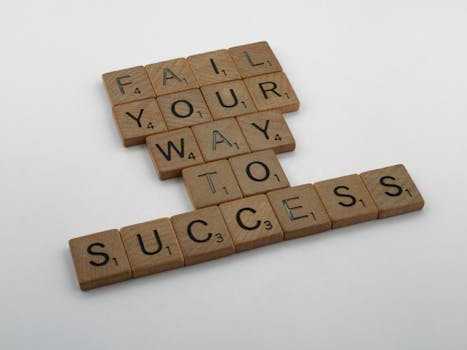
Wooden tiles spell 'Fail Your Way to Success' emphasizing perseverance. Photo: Brett Jordan / Pexels
The impact of lifelong learning extends far beyond merely staying current in one's profession; it is a profound catalyst for personal growth and a direct pathway to significant professional advancement. On the personal front, engaging in continuous learning stimulates cognitive function, much like physical exercise benefits the body. It challenges the brain, enhances memory, improves problem-solving abilities, and fosters creativity. Studies have even suggested that lifelong learning can delay the onset of cognitive decline in older adults, contributing to a higher quality of life and sustained independence. The act of learning new things, whether it's a new language, a musical instrument, or a complex scientific concept, provides a sense of accomplishment and boosts self-esteem. It broadens one's perspective, encouraging empathy and understanding of diverse cultures and viewpoints, which are crucial attributes in our interconnected world. Professionally, the link between lifelong learning and career progression is undeniable. In a competitive job market, employers highly value candidates who demonstrate a commitment to continuous self-improvement. These individuals are seen as more adaptable, innovative, and capable of taking on new challenges. Acquiring new skills, whether technical (like coding or data analytics) or soft skills (like leadership, communication, or critical thinking), makes an employee more versatile and valuable to an organization. This increased value often translates into opportunities for promotion, higher salaries, and greater job security. For entrepreneurs and small business owners, lifelong learning is even more critical; it’s the engine that drives innovation, market responsiveness, and competitive advantage. Understanding emerging trends, new business models, or advanced marketing techniques can be the difference between stagnation and significant growth. Moreover, lifelong learning isn't solely about formal courses or certifications. It encompasses reading industry publications, attending conferences, participating in professional networks, and even learning from mentors and peers. These informal learning experiences contribute significantly to one's knowledge base and professional acumen. The ability to critically analyze information, synthesize diverse perspectives, and apply new knowledge to real-world problems is a hallmark of a successful professional. This continuous development ensures that individuals are not just reacting to changes but are actively shaping their careers and contributing positively to their organizations. It transforms individuals from passive recipients of knowledge into active architects of their own future, leading to fulfilling careers and enriched lives.

Navigating the Future of Work with Adaptability and New Skills

Three diverse students engaging in a lively classroom setting, discussing and sharing ideas. Photo: Pavel Danilyuk / Pexels
The future of work is not a distant concept; it is already here, characterized by automation, artificial intelligence, and a rapidly shifting landscape of required skills. The ability to adapt and acquire new competencies is no longer a niche requirement but a universal mandate for thriving in this new environment. Experts predict that a significant percentage of current jobs will be either augmented or replaced by technology in the coming decades, while entirely new job categories will emerge. This impending transformation underscores the profound importance of lifelong learning as the primary strategy for workforce resilience and career longevity. Individuals who embrace continuous learning are better equipped to reskill and upskill, ensuring their relevance in evolving industries. Beyond technical proficiencies, the future of work places a premium on uniquely human skills that are difficult for machines to replicate. These include critical thinking, complex problem-solving, creativity, emotional intelligence, and effective communication. While technology can automate repetitive tasks, it still requires human ingenuity to innovate, strategize, and build meaningful relationships. Lifelong learning, therefore, must encompass not just hard skills but also the cultivation of these essential soft skills. Workshops on leadership, courses on design thinking, or even engaging in volunteer work can all contribute to developing these crucial attributes. Furthermore, the gig economy and remote work trends demand a new level of self-direction and autonomy. Individuals are increasingly responsible for managing their own career paths, seeking out learning opportunities, and building personal brands. Lifelong learning empowers individuals to take charge of their professional development, identify emerging opportunities, and proactively position themselves for success. It fosters an entrepreneurial mindset, regardless of whether one is employed by a large corporation or working as a freelancer. This self-reliance is critical for navigating a less structured and more dynamic employment landscape. Organizations also play a crucial role in fostering a culture of lifelong learning. Forward-thinking companies invest in employee training and development programs, provide access to learning platforms, and encourage experimentation. They recognize that their greatest asset is their human capital and that continuous learning is essential for maintaining a competitive edge. By fostering an environment where learning is celebrated and supported, organizations can build a workforce that is agile, innovative, and prepared for the challenges and opportunities of the future. The synergy between individual initiative and organizational support creates a powerful engine for collective growth and adaptation.

Practical Strategies for Integrating Lifelong Learning into Your Life

A person enjoys a relaxing reading session indoors, holding an open book on a comfy couch. Photo: Castorly Stock / Pexels
Embarking on a journey of lifelong learning doesn't require a complete overhaul of your life; rather, it's about integrating consistent, manageable practices into your existing routine. Here are practical strategies to make continuous learning a sustainable and enjoyable habit: * **Set Clear, Achievable Goals:** Instead of vague aspirations, define specific learning objectives. Do you want to master a new software, learn basic conversational Spanish, or understand a particular historical period? Breaking down larger goals into smaller, actionable steps makes the process less daunting and more rewarding. For instance, commit to 15 minutes of language practice daily, or complete one module of an online course each week. * **Leverage Microlearning:** In our busy lives, finding large blocks of time for study can be challenging. Microlearning, which involves consuming small, digestible chunks of information, is incredibly effective. This could mean listening to an educational podcast during your commute, watching a short tutorial video during a break, or reading a single article related to your interest. Consistency in small doses adds up significantly over time. * **Utilize Online Resources:** The internet offers an unparalleled wealth of learning opportunities. Platforms like Coursera, edX, LinkedIn Learning, and Khan Academy provide structured courses from top universities and industry experts, often with flexible schedules. YouTube is also an incredible repository for tutorials and educational content on virtually any subject. Explore these resources to find what aligns with your learning style and objectives. * **Read Widely and Actively:** Reading remains one of the most powerful tools for lifelong learning. Beyond industry-specific literature, delve into non-fiction books on diverse subjects, biographies, and even well-researched articles. Practice active reading by highlighting, taking notes, and reflecting on the content to deepen your understanding and retention. Joining a book club can also provide structure and foster discussion. * **Seek Out Mentorship and Community:** Learning doesn't have to be a solitary endeavor. Connect with mentors who have expertise in areas you wish to develop. Join professional organizations, online forums, or local meetups related to your interests. Engaging with a community of learners can provide support, accountability, and diverse perspectives, enriching your learning experience. * **Teach Others:** One of the most effective ways to solidify your own understanding of a subject is to teach it to someone else. Whether it's mentoring a junior colleague, explaining a concept to a friend, or creating content (like a blog post or presentation) on a topic, the act of teaching forces you to organize your thoughts, identify gaps in your knowledge, and articulate complex ideas clearly. * **Embrace Deliberate Practice:** Simply consuming information isn't enough; you need to practice applying what you learn. If you're learning a new skill, dedicate time to hands-on application, even if it means making mistakes. Deliberate practice involves pushing yourself slightly beyond your current comfort zone, seeking feedback, and refining your approach. This iterative process is crucial for true mastery. * **Reflect and Adapt:** Periodically pause to reflect on your learning journey. What have you learned? How has it impacted your life or career? What challenges have you faced, and how can you overcome them? This self-assessment helps you adjust your learning strategies, identify new areas of interest, and celebrate your progress, keeping your motivation high. Remember, lifelong learning is a marathon, not a sprint, and continuous reflection ensures you stay on course.

Comparison

AspectLifelong LearnerTraditional LearnerStagnant Individual
MindsetGrowth-oriented, curiousFixed, knowledge acquisition endsResistant to change
Skill SetDynamic, adaptable, diverseStatic, specialized in one areaOutdated, limited
Career TrajectoryUpward mobility, pivots, innovationStable, limited growth potentialStagnation, redundancy risk
Job SecurityHigh (resilient to change)Moderate (dependent on industry)Low (vulnerable to change)
Personal FulfillmentHigh (sense of accomplishment, purpose)Moderate (initial satisfaction)Low (boredom, frustration)
Cognitive HealthEnhanced, reduced decline riskAveragePotential for decline
Future PreparednessHighly prepared for new challengesReacts to changeUnprepared, overwhelmed

What Readers Say

"Embracing lifelong learning completely transformed my career. I was stuck in a rut, but after taking a few online courses in data analytics, I pivoted into a new role with a 30% salary increase. It's truly empowering!"

Sarah Chen · Seattle, WA

"I used to think my education ended with my degree. Realizing the importance of lifelong learning opened my eyes to endless possibilities. I've picked up coding and now contribute to open-source projects in my spare time, which is incredibly fulfilling."

Mark Johnson · Austin, TX

"As a physician, staying current with medical advancements is paramount. Lifelong learning isn't just a choice; it's an ethical imperative. It directly impacts patient care and keeps my practice at the forefront of innovation, leading to better outcomes for my patients."

Dr. Emily Roberts · Boston, MA

"While the benefits are clear, finding the time for consistent learning can be a challenge with a demanding job and family. However, even small, consistent efforts like listening to educational podcasts during my commute have made a noticeable difference in my knowledge base."

David Lee · Denver, CO

"I started learning Spanish in my 50s just for fun, and it's been an incredible journey. Not only can I now communicate with more people, but it's also kept my mind sharp and introduced me to a vibrant new culture. Lifelong learning truly enriches your life."

Maria Garcia · Miami, FL

Frequently Asked Questions

What is the most significant benefit of lifelong learning?

The most significant benefit is enhanced adaptability and resilience in the face of rapid change. It ensures individuals remain relevant in their careers, fosters personal growth, improves cognitive function, and opens doors to new opportunities, leading to a more fulfilling and secure future.

Isn't formal education enough for a successful career?

While formal education provides a foundational knowledge base, it's generally no longer sufficient for a successful, long-term career. The rapid pace of technological and economic change means that skills and knowledge acquired through formal education quickly become outdated, necessitating continuous learning to stay relevant and competitive.

How can I start lifelong learning if I'm short on time?

Start with microlearning. Dedicate 15-30 minutes daily to learning by listening to podcasts, watching short educational videos, or reading articles during commutes or breaks. Utilize online platforms for flexible self-paced courses, and focus on consistency over intense, infrequent sessions.

Is lifelong learning expensive?

Not necessarily. While there are paid courses and certifications, many high-quality resources are free or low-cost. Public libraries, open educational resources (OERs), free online courses from platforms like Coursera (auditing options), YouTube tutorials, and educational podcasts offer abundant learning opportunities for any budget.

How does lifelong learning compare to professional development?

Professional development typically focuses on skills directly relevant to one's current job or industry. Lifelong learning is a broader concept encompassing professional development but also includes learning for personal enrichment, new hobbies, or exploring entirely new fields, often driven by personal curiosity rather than immediate career needs.

Who should prioritize lifelong learning?

Everyone should prioritize lifelong learning. It's crucial for students to adapt to future job markets, for professionals to stay competitive and advance, for retirees to maintain cognitive health and personal fulfillment, and for anyone seeking personal growth and a deeper understanding of the world around them.

Are there any risks associated with not engaging in lifelong learning?

Yes, significant risks include career stagnation, increased vulnerability to job displacement due to automation or skill obsolescence, reduced earning potential, diminished personal growth, and a potential decline in cognitive agility over time. It can lead to feeling left behind in a rapidly changing world.

What are the future trends in lifelong learning?

Future trends include hyper-personalized learning paths, increased integration of AI and adaptive learning technologies, growth in micro-credentialing and skill-based certifications, immersive learning experiences (VR/AR), and a stronger emphasis on soft skills and interdisciplinary knowledge to complement technical expertise.

Embrace the transformative power of continuous learning today. By understanding the importance of lifelong learning, you're not just investing in skills; you're investing in a future of endless possibilities, resilience, and profound personal growth. Start your journey now and redefine what's possible.

Topics: importance of lifelong learningcontinuous educationpersonal growthskill developmentfuture of work
Leo List

DK Escorts LU Escorts AT Escorts SE Escorts FI Escorts CH Escorts DE Escorts HR Escorts IE Escorts GR Escorts CZ Escorts NO Escorts BE Escorts FR Escorts SI Escorts IL Escorts NL Escorts PL Escorts HU Escorts ES Escorts IT Escorts PT Escorts SK Escorts RO Escorts ZA Escorts UY Escorts US Escorts UK Escorts NZ Escorts AU Escorts
Brampton weed
Adultwork EstrelaBet Vai de Bet R7 Bet Betão Galera Bet Rainbet Bet9ja Shop SportyBet BetKing Sisal Loto Foot Hollywoodbets YesPlay Odibets RushBet Jugabet BetWarrior BetCity MSport betPawa Fortebet