Smart Choices: Where to Buy Educational Toys for Toddlers
buy educational toys for toddlers

Smart Choices: Where to Buy Educational Toys for Toddlers

Unlock your toddler's potential with carefully selected educational toys that inspire curiosity and accelerate development.

Explore Top Toys

Key Takeaways

  • ✓ Educational toys enhance cognitive, motor, social, and emotional skills.
  • ✓ Age-appropriate toys are crucial for maximizing learning and engagement.
  • ✓ Quality and safety certifications (like ASTM F963) are paramount for toddler toys.
  • ✓ Open-ended toys encourage creativity and problem-solving more effectively.

How It Works

1
Understand Developmental Stages

Before purchasing, familiarize yourself with typical toddler developmental milestones. This helps in selecting toys that are appropriately challenging and engaging for their current stage.

2
Identify Learning Goals

Determine what specific skills you want to foster, such as fine motor skills, language development, or problem-solving. This targeted approach guides your toy selection process effectively.

3
Research Reputable Retailers

Look for stores or online platforms known for high-quality, safe, and genuinely educational toys. Read reviews and check their return policies to ensure satisfaction.

4
Prioritize Safety and Durability

Always check for non-toxic materials, sturdy construction, and absence of small, detachable parts. A durable toy will withstand toddler play and last longer, offering better value.

The Importance of Intentional Play: Why Choose Educational Toys?

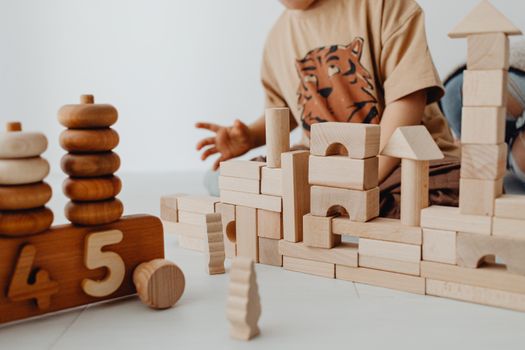
Toddler engaging with vibrant toy blocks on a patterned rug in a playful setting. Photo: Lisa from Pexels / Pexels
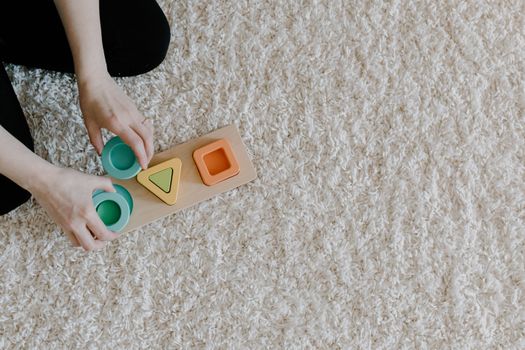
In a world brimming with choices, deciding where to buy educational toys for toddlers can feel overwhelming. However, understanding the profound impact these specific types of toys have on a child's development makes the effort worthwhile. Educational toys are not merely playthings; they are powerful tools designed to stimulate a child's cognitive, physical, social, and emotional growth during their most formative years. From approximately 12 months to 36 months, toddlers are rapidly acquiring new skills, processing information at an incredible pace, and beginning to understand the world around them. The right educational toys can significantly enhance this natural learning process, laying a strong foundation for future academic success and overall well-being. Consider the multifaceted benefits. Cognitively, toys like shape sorters, stacking rings, and simple puzzles help toddlers develop problem-solving abilities, spatial awareness, and an understanding of cause and effect. As they manipulate these objects, they are learning about concepts like size, color, and form. Language development is also greatly supported through interactive toys that encourage verbalization, naming objects, or even simple storytelling. Picture books with touch-and-feel elements or sound buttons are excellent for this. Fine motor skills, essential for tasks like writing and self-feeding later on, are refined through activities such as building blocks, stringing beads, or playing with playdough. Gross motor skills are honed with push-and-pull toys, tricycles, or climbing structures, promoting coordination and balance. Beyond these tangible skills, educational toys foster creativity and imagination. Open-ended toys, such as building blocks, dollhouses, or animal figures, allow toddlers to create their own narratives, experiment with different scenarios, and develop their imaginative play. This type of play is crucial for developing narrative skills, empathy, and social understanding. When toddlers engage with these toys alongside others, they also learn vital social skills like sharing, cooperation, and turn-taking. Emotional development is supported as they express feelings through play, learn to cope with frustration when a task is challenging, and experience the joy of accomplishment. Investing in educational toys is an investment in your child's holistic development, paving the way for a curious, capable, and well-adjusted individual. Finding the right ones requires a discerning eye, focusing on quality, safety, and age-appropriateness. This guide will help you navigate the options when you decide to buy educational toys for toddlers, ensuring every purchase is a step towards enriching your child's learning journey.

Navigating the Market: Where to Buy Educational Toys for Toddlers Effectively

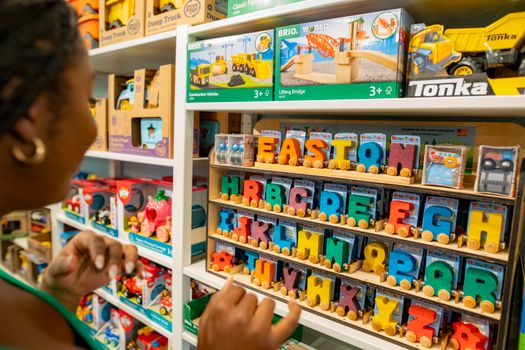
When you're ready to buy educational toys for toddlers, knowing where to look is half the battle. The market is saturated with options, from large chain retailers to specialized independent stores and online marketplaces. Each offers a unique shopping experience and product selection, making it important to consider your priorities: convenience, variety, expert advice, or price. Large retail chains like Target, Walmart, and Amazon are often the go-to for many parents due to their vast inventory and competitive pricing. These stores carry a wide range of popular brands and often have dedicated sections for educational toys. The convenience of one-stop shopping, often combined with online ordering and delivery options, is a major draw. However, the sheer volume can be overwhelming, and it might be harder to find truly unique or niche educational items. Customer reviews on platforms like Amazon can be very helpful in discerning the quality and educational value of toys, but always cross-reference with other sources. Specialized toy stores, both physical and online, often provide a more curated selection. Stores like Lakeshore Learning Materials, Melissa & Doug (through their own site or other retailers), and smaller, independent toy boutiques tend to focus on high-quality, durable, and genuinely educational products. These establishments frequently employ knowledgeable staff who can offer personalized recommendations based on your child's age, developmental stage, and specific learning goals. While prices might be slightly higher, the emphasis on quality and expert guidance often justifies the cost. Online educational toy specialists, such as Fat Brain Toys or Lovevery, even offer subscription boxes tailored to developmental stages, taking the guesswork out of selecting age-appropriate items. Another excellent resource is local children's museums or science centers. Many of these institutions have gift shops that stock unique, high-quality educational toys and kits that align with their mission of learning through play. Buying from these places often supports their educational programs, adding a philanthropic element to your purchase. Furthermore, exploring second-hand options like consignment stores, Facebook Marketplace, or local 'buy nothing' groups can be a cost-effective way to acquire gently used educational toys. Always ensure these items are thoroughly cleaned, safe, and free from any recalls before bringing them into your home. Regardless of where you choose to shop, prioritize retailers that provide clear product descriptions, safety certifications, and customer support to ensure a positive and informed purchasing experience for your family.

Key Considerations When Selecting Developmental Toys for Toddlers

Beyond knowing where to buy educational toys for toddlers, understanding what makes a toy truly educational is paramount. Not all toys marketed as 'educational' live up to their claims. A discerning parent looks for specific characteristics that maximize learning and engagement while ensuring safety and longevity. This intentional approach ensures that every toy brought into your home serves a purpose beyond mere entertainment. Firstly, age-appropriateness is non-negotiable. A toy too advanced will frustrate a toddler, while one too simple will quickly lose their interest. Manufacturers typically provide age recommendations, but these are general guidelines. Observe your child's current skills and interests. For instance, a 12-month-old might be fascinated by simple cause-and-effect toys, while a 2-year-old might thrive with more complex puzzles or imaginative play sets. Always check for choking hazards for children under three; small parts are a definite no-go. Safety certifications, such as ASTM F963 in the US, indicate that a toy meets specific safety standards for materials and construction. Prioritize toys made from non-toxic, durable materials like wood, BPA-free plastic, or organic fabrics that can withstand rigorous toddler play and cleaning. Secondly, consider the 'open-ended' nature of a toy. Open-ended toys are those that can be played with in multiple ways, without a single 'correct' outcome. Think building blocks, playdough, art supplies, or simple figures. These toys spark creativity, encourage problem-solving, and adapt as your child's skills grow. In contrast, highly structured toys with a single function might offer initial novelty but quickly lose their educational value once the child masters that specific task. The best educational toys promote active engagement rather than passive observation. They should require a child to manipulate, explore, and interact, fostering hands-on learning. Finally, think about the toy's potential for fostering various developmental domains simultaneously. A set of wooden blocks, for example, can enhance fine motor skills (stacking), cognitive skills (spatial reasoning, balance), language (naming shapes and colors), and even social skills (cooperative building). Look for toys that encourage interaction, whether with parents, siblings, or other children, as this supports social and emotional development. Avoid toys that are overly stimulating with excessive lights, sounds, or screens, as these can sometimes hinder focus and imaginative play. By keeping these considerations in mind, you can confidently buy educational toys for toddlers that truly enrich their early learning experiences and foster a lifelong love of discovery.

Common Mistakes to Avoid When Buying Educational Toys

When you set out to buy educational toys for toddlers, it's easy to fall into common traps that can diminish the value of your purchase. Being aware of these pitfalls can help you make more informed and effective decisions, ensuring your investment truly benefits your child's development. One of the most frequent mistakes is buying too many toys. While well-intentioned, an excessive number of toys can actually overwhelm a toddler, making it difficult for them to focus on any single item. This can lead to shorter attention spans and less engaged play. A better approach is to adopt a 'less is more' philosophy and rotate toys periodically. This keeps the play environment fresh and exciting, allowing children to delve deeper into the possibilities of each toy. Quality over quantity should always be the guiding principle. Another common error is prioritizing toys with excessive electronic features, lights, and sounds. While some interactive elements can be engaging, toys that do 'too much' often leave little room for a child's imagination and active participation. They might be passively entertained rather than actively learning and problem-solving. Opt for toys that require your child to be the 'doer' – pushing, pulling, sorting, building, or creating – rather than just watching or listening. These types of toys foster intrinsic motivation and deeper cognitive engagement. Ignoring safety warnings and material quality is a critical mistake. Cheaply made toys can break easily, posing choking hazards or exposing children to harmful chemicals. Always check for non-toxic labels, sturdy construction, and appropriate age warnings. Don't assume a toy is safe just because it's on a shelf. Furthermore, buying toys that are either too far above or below your child's developmental level can lead to frustration or boredom. Resist the urge to 'buy up' to challenge them prematurely or to stick with toys they've clearly outgrown. The sweet spot is a toy that offers a slight challenge, encouraging growth without causing undue stress. Finally, neglecting your child's unique interests and personality is a missed opportunity. While a toy might be highly rated as 'educational,' if it doesn't align with your child's natural curiosity, it will likely gather dust. Observe what your toddler gravitates towards – whether it's animals, vehicles, art, or building – and incorporate those themes into your educational toy selections. Tailoring choices to their individual preferences ensures greater engagement and, consequently, more effective learning. By avoiding these common missteps, you can confidently buy educational toys for toddlers that truly support their growth and bring joy to their playtime.

Comparison

FeatureSpecialized Toy StoresLarge Retail ChainsOnline Marketplaces
Product CurationHighly curated, expert-selectedBroad, popular brandsVast, user-generated recommendations
Expert AdviceOften available from staffLimited to product descriptionsCustomer reviews, forums
Price RangeMid to HighLow to MidVaries widely (Low to High)
Safety Certifications✓ (Often emphasized)✓ (Standard brands)✗ (Requires careful checking)
Unique/Niche Finds✓ (with diligent searching)
ConvenienceStore hours/shippingHigh (physical & online)Very High (24/7, delivery)

What Readers Say

"Finding where to buy educational toys for toddlers used to be a guessing game for me. This guide helped me discover some fantastic specialized online stores. My 2-year-old loves his new wooden block set; it's durable and sparks so much creativity!"

Sarah J. · Austin, TX

"I really appreciated the section on avoiding common mistakes. I realized I was buying too many electronic toys. Since switching to more open-ended options, my daughter's imaginative play has truly blossomed. Great advice!"

Mark D. · Chicago, IL

"The comparison table was incredibly useful. It helped me decide where to focus my shopping efforts based on what I prioritize for my child's learning. I found a fantastic set of puzzles that have significantly improved my son's problem-solving skills."

Emily R. · Seattle, WA

"Very comprehensive article! I learned a lot about what to look for in educational toys. While I still use large retailers for some purchases, I'm now much more aware of checking safety certifications and focusing on genuine developmental benefits."

David L. · Miami, FL

"As a new parent, the sheer volume of toys was overwhelming. This article provided a clear roadmap on how to buy educational toys for toddlers effectively. My child is now more engaged and I feel confident in my choices."

Jessica M. · Denver, CO

Frequently Asked Questions

What are the most important factors when I want to buy educational toys for toddlers?

When buying educational toys, prioritize age-appropriateness, safety (non-toxic materials, no small parts for under 3s, ASTM F963 certification), and open-ended play potential. Look for toys that encourage active participation, creativity, and development across multiple domains rather than passive entertainment.

Is it better to buy new or used educational toys?

Both new and used toys can be great. Used toys are cost-effective and eco-friendly. However, always thoroughly inspect used toys for damage, missing parts, and recalls to ensure safety and cleanliness. For new toys, ensure they come from reputable brands and retailers.

How can I tell if a toy is truly educational and not just marketed as such?

A truly educational toy engages your child in active learning, problem-solving, and imaginative play. It should require manipulation, exploration, and ideally, can be used in multiple ways. Beware of toys that are overly prescriptive or primarily rely on screens, lights, and sounds for entertainment.

Are expensive educational toys always better than affordable ones?

Not necessarily. While higher prices can sometimes indicate better quality materials or unique design, many affordable toys (like simple blocks, balls, or art supplies) offer immense educational value. Focus on the toy's developmental benefits and safety rather than just its price tag.

How do educational toys compare to screen time for toddler development?

Educational toys provide hands-on, multi-sensory experiences crucial for toddler development, fostering fine motor skills, spatial reasoning, and social interaction. Screen time, even 'educational' apps, should be extremely limited for toddlers (under 18 months: none; 18-24 months: very limited with parent interaction) as it lacks the physical and social engagement vital for early learning.

Who should buy educational toys for toddlers?

Parents, grandparents, caregivers, and anyone involved in a toddler's early development should consider buying educational toys. They are ideal for fostering a child's natural curiosity and supporting their growth during these critical formative years, providing enriching play experiences.

What safety precautions should I take when I buy educational toys for toddlers?

Always check for age recommendations, especially regarding small parts that pose choking hazards for children under three. Ensure toys are made from non-toxic, lead-free, and BPA-free materials. Look for certifications like ASTM F963. Regularly inspect toys for damage or wear that could create new hazards.

What are the future trends in educational toys for toddlers?

Future trends lean towards sustainable, eco-friendly materials, toys that integrate technology subtly to enhance hands-on play (e.g., augmented reality for physical blocks), and personalized learning experiences. There's also a growing emphasis on toys that promote emotional intelligence and cultural diversity.

Empower your child's early learning journey by making informed choices. Utilize this guide to confidently buy educational toys for toddlers that are safe, engaging, and truly beneficial for their development. Start building a foundation for a lifetime of curiosity and learning today!

Topics: buy educational toys for toddlerstoddler learning toysdevelopmental toys for 1-3 year oldsbest educational toys USpreschool learning tools
Leo List
Brampton weed
Adultwork